

Through Asia in the footsteps of Sven Hedin
The core of the Sven Hedin Project is a series of expeditions in the footsteps of Sven Hedin, led by National Geographic Explorer Lars Larsson. Using Sven Hedin’s archives and collections, the main purpose of the expeditions is to examine how the natural and cultural landscape has changed, in the places he visited more than 100 years ago. It is a journey that takes Larsson up snow-capped mountains, down wild rivers and through burning deserts.
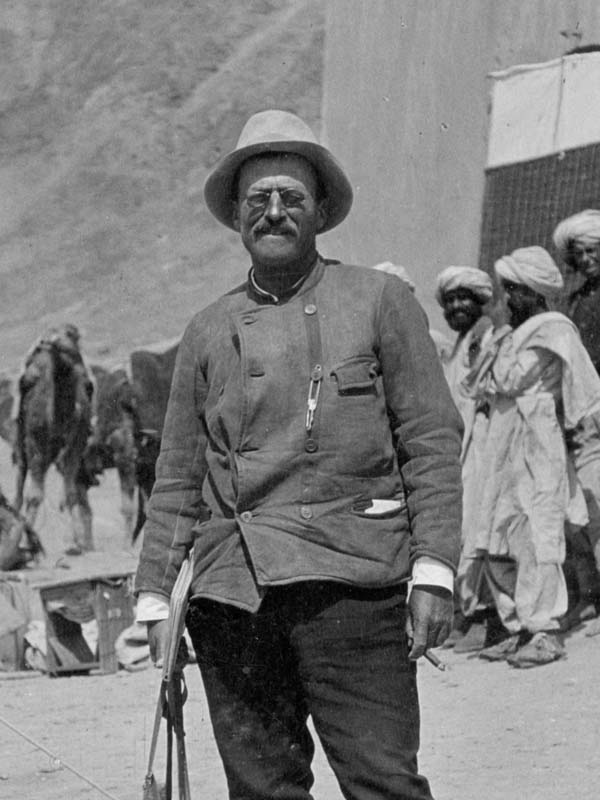
Sven Hedin (1865–1952)
Explorer, geographer and author
Sven Hedin was a famous Swedish explorer, geographer and author. By simple course and distance measurements, he alone explored and mapped larger areas overland than any other person in history. In total he spent almost 20 years in the field filling out the blank spots on the map of Central Asia. Hedin’s autobiography, “My life as an explorer”, was marketed by his New York publisher in 1925 as “the greatest story of exploration and adventure by the greatest explorer of them all”. In 2001 National Geographic Adventure selected the same book as one of the world’s 100 greatest adventure books of all time. Although Hedin was once an international celebrity and a national hero in Sweden, his strong support for Germany, throughout both World Wars, made him deliberately disappear from our collective memory and today he has been largely forgotten by the general public.
The Sven Hedin Foundation was created in 1952, upon the death of Sven Hedin, in accordance with his will. It contains the entire scientific and financial estate that Sven Hedin left behind and it is owned by the Swedish Royal Academy of Sciences.
Kyrgyzstan/China 2015: "The Father of Ice-Mountains"
We determined how far the glacier fronts of Muztagh Ata (7,546 meters) had retracted since 1894 and repeated Hedin’s attempts to ascend the mountain.
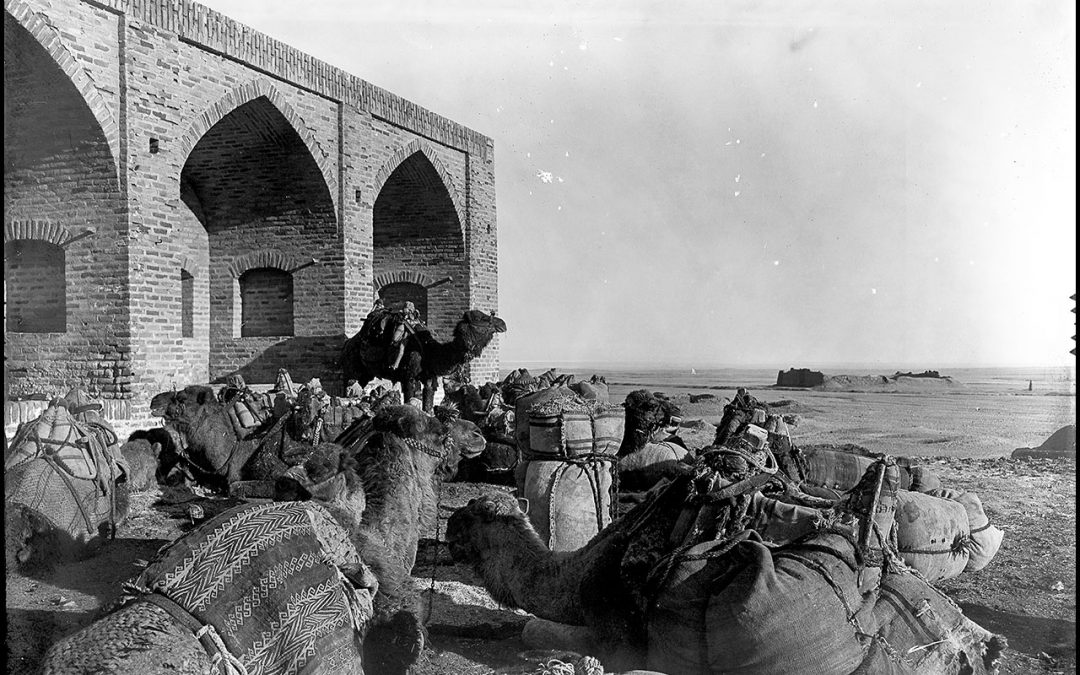
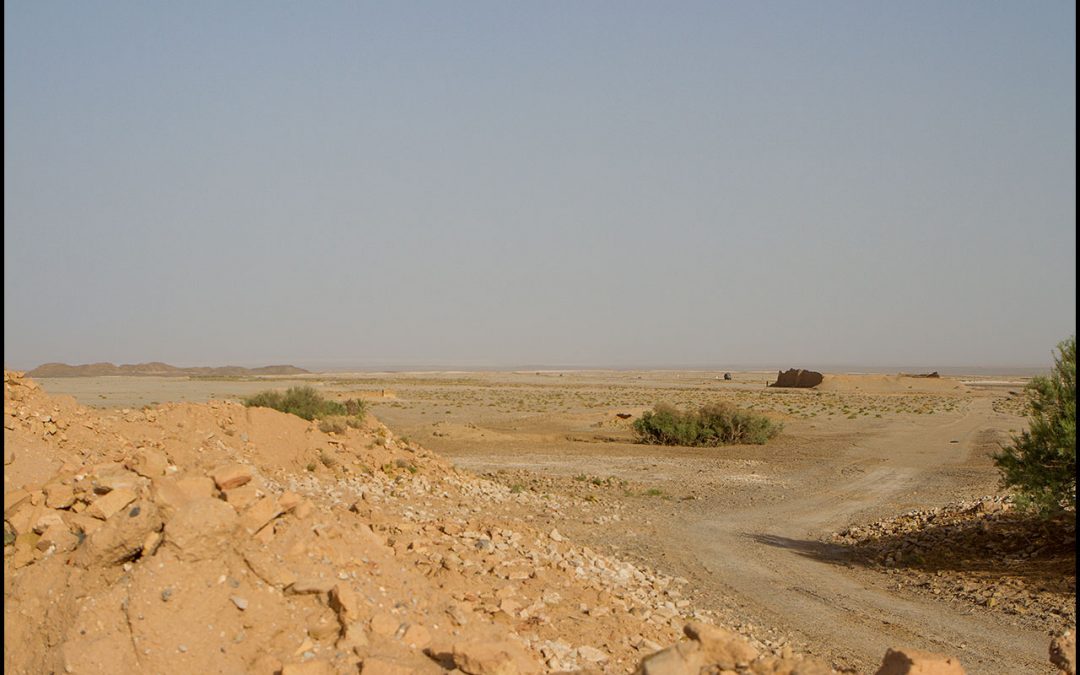
Repeat Photography: The Caravanserai Rabat gur
1906: Rabat-gur was a majestic caravanserai on the route to Tebbes – a roadside inn for merchants who were given a roof over their heads and the opportunity to buy supplies for the next stage and feed their camels.
2013: The caravanserai was built of bricks from other structures, but now it has suffered the same fate as they did. The camels are gone, only gravel heaps remain. Today, trucks are the preferred means of transport.
Tajikistan/Afghanistan 2015: Wakhan
Hedin visited the Wakhan corridor in 1895 and found himself in the middle of the “Great Game” – a struggle for Central Asian supremacy between the Russian and British Empires.
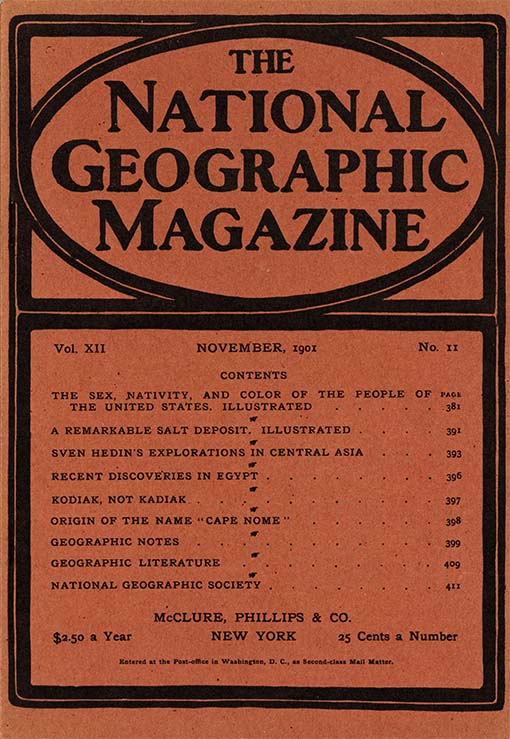
The first time Sven Hedin appeared in the headlines on the cover of National Geographic Magazine was in November 1901. “Sven Hedin’s explorations in Central Asia” was the title of the article and it describes how he found the lost city of Lou-lan in the Taklamakan desert.
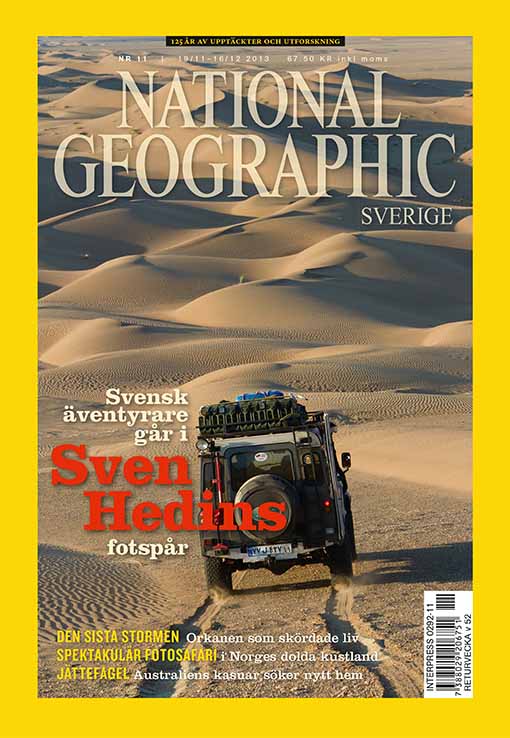
Exactly 112 years after Sven Hedin appeared on the cover of National Geographic magazine for the first time, he was back in the headlines. The cover was shot by Lars Larsson and he also wrote a 24-page feature story about the Iran expedition published in November 2013.
For many years, I have dreamed of following in Sven Hedin’s footsteps. I want to relive his adventure, find the places he photographed and take new photos of the exact same places to compare how the landscapes and culture have changed over the course of a century.

Lars Larsson - The Explorer
We link up with Sven Hedin’s route at the south-western edge of the vast Kevir desert. We use Sven Hedin’s own maps in order to find his campsites and the locations from which he depicted the landscape. Hedin was a tireless workaholic. By constantly noting compass directions as he rode and counting his camel’s steps, he mapped out the landscape. The journey through Persia resulted in 232 map sheets.